If you’re looking at getting on the road on two wheels, one of the first questions is normally: ‘how much is all of this actually going to cost?’ Well, the answer really depends on the route you take, but the main costs usually come from getting your provisional licence, CBT, any theory or practical tests, training, insurance and the equipment you need to ride legally.
A basic CBT (compulsory basic training) can cost a few hundred pounds, while working towards a full scooter or motorcycle licence can be closer to £1,000 or more once training is included. However, the real total will depend on your age, the type of motorcycle, scooter or moped you want to ride, whether you already have a provisional licence, how much training you need, and what insurance and riding kit you choose.
It’s also worth mentioning before we get started that, despite this being an article on Scooter or Moped Licences, the term Motorcycle Licence is used throughout just in case you want to get something a bit more powerful and head for an A2 or something like the now slightly older Aprilia SRV 850, for example, which you’ll need a full Cat A motorcycle licence for.
So, let’s get into it!
Quick Answer | How Much Does a Scooter or Moped Licence Cost?
What Licence Do You Need to Ride a Scooter or Moped?
Riders Aged 16
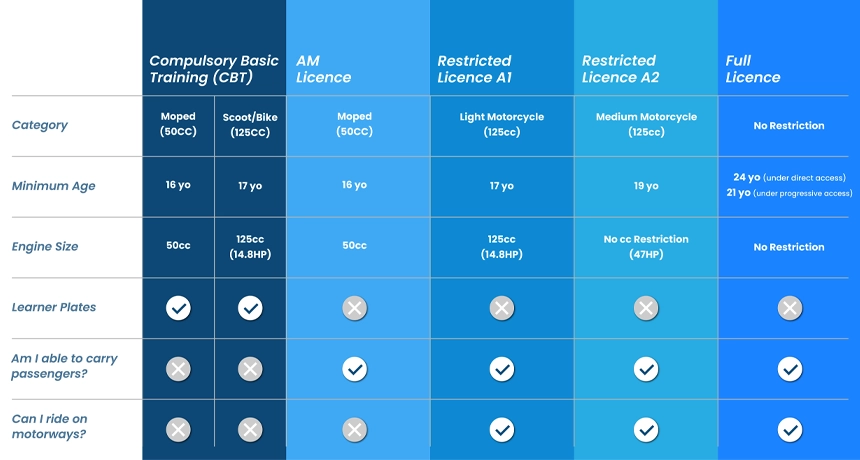
At 16, you can ride a moped up to 50cc with a speed range of 25 km/h to 45 km/h (15.5 mph - 28 mph) after completing CBT, provided you have the correct provisional licence entitlement, valid insurance, tax, MOT where needed, and L plates fitted, which usually works out as the lowest-cost route into scooter or moped riding.
Riders Aged 17 and Over
From 17, CBT allows most learner riders to ride a motorcycle or scooter up to 125cc and 11kW (15hp) with L plates.
This is the route many new riders take because it keeps the initial cost down and gives time to build confidence before moving on to an A1, A2 or full Category A licence.
CBT Explained
CBT stands for Compulsory Basic Training and, rather than working like a normal pass-or-fail test, it is a training course your instructor signs off once you have shown you can ride safely enough on the road. A CBT certificate lasts for 2 years, so if you do not pass a full moped or motorcycle test within that time, you will need to take CBT again or stop riding.
AM, A1, A2 and Full A Licences Explained
After completing your CBT, riders can progress to further licence categories by passing the motorcycle theory test, Module 1 off-road test and Module 2 on-road test. The AM licence, available from age 16, allows you to ride a moped of up to 50cc with a maximum speed of 28mph (45km/h) and, once you've passed the relevant tests, ride without L plates and carry a pillion passenger, although motorways remain off limits.
From age 17, the A1 licence lets you ride motorcycles up to 125cc and 11kW (15hp), removing learner restrictions so you can carry a pillion and use motorways, while the A2 licence, available from age 19, extends this to motorcycles producing up to 35kW (47bhp).
Finally, a full Category A licence, available from age 24 through direct access or earlier through progressive access, allows you to ride any motorcycle regardless of engine size or power output, giving you full motorway and pillion rights without restriction.
How Much Does a CBT Cost?
Typical CBT Cost in the UK
A typical CBT cost in the UK is around £160 to £220, although the final price can move up or down depending on the training school, location, time of year, and whether bike hire or basic equipment is included.
What Is Included in the Cost of a CBT?
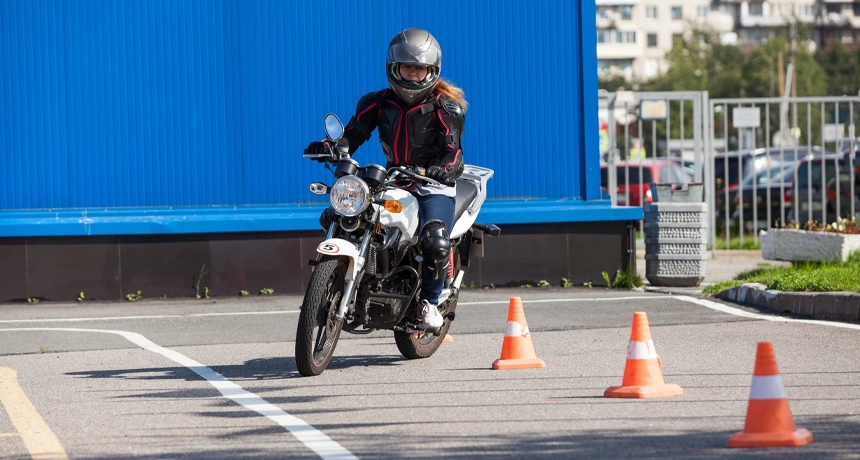
Most CBT courses include an initial classroom-style safety session, off-road bike control training, on-road riding and instructor assessment. Many schools also include use of a training bike or moped, and some may provide a helmet or gloves, but this varies, so it is always worth checking before you book.
Factors Affecting CBT Prices
Because CBT prices are set by individual training schools rather than fixed nationally, the amount you pay can vary based on location, weekend demand, instructor availability, bike hire, equipment hire and whether you choose a geared bike or an automatic scooter or moped.
Additional Training Days if Required
If your instructor feels you are not ready to ride safely on the road, you may need extra training before receiving your CBT certificate. Some schools charge a reduced rate for an extra session, while others may charge for another full day, so ask about retake or continuation costs before booking to be on the safe side.
What Happens if You Fail Your CBT?
Can You Fail a CBT?
CBT is not a traditional test with a simple pass or fail result, as you complete it only when your instructor is satisfied that you can ride safely enough while continuing to practise independently, and if you are not ready by the end of the day, you may be asked to return for more training before receiving your certificate.
Common Reasons Riders Do Not Pass Their CBT
Riders may need more time if they struggle with slow control, road positioning, mirror or blind-spot checks, basic road signs, confidence in traffic, or clutch and gear control on a geared bike. In those cases, the instructor will usually explain which areas need more practice before a certificate can be issued.
Additional Training Requirements
If you need more time, the training school will usually explain what you need to work on and whether you should book another full CBT day, a shorter extra training session, or a return visit to complete the remaining elements.
How Much Does It Cost to Retake Your CBT?
There is no fixed national retake fee because CBT prices are set by individual training schools. As a rough guide, a full retake could cost another £160 to £220, while some schools may offer a reduced continuation session if you only need extra time on certain parts of the course.
Top Tips for Passing Your CBT First Time
To improve your chances of completing CBT first time, practice on a bicycle before (yes, really!) as it can help you gain balance and slow speed control; also, read the Highway Code before your course, arrive rested, bring some lunch and a drink, wear suitable clothing, listen carefully to your instructor, and make sure to ask questions if you are unsure.
If you are new to geared bikes, it may also be worth booking on an automatic scooter first if that suits what you plan to ride.
How Much Does a Full Scooter or Motorcycle Licence Cost?
Theory Test Fees
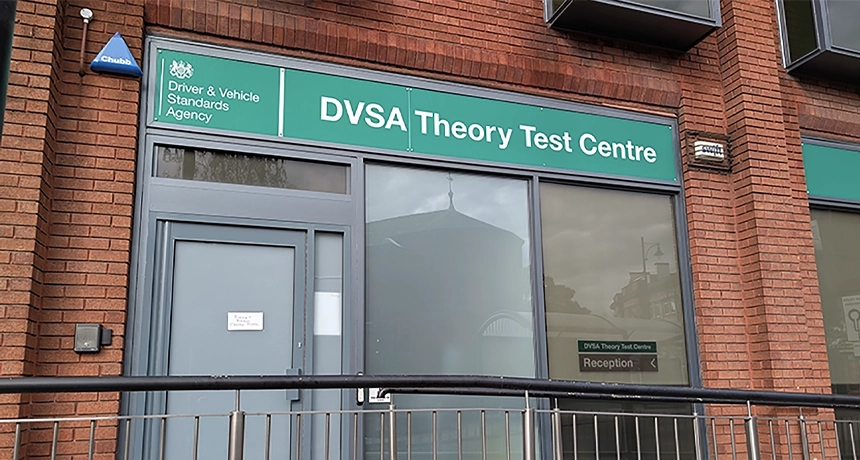
The motorcycle theory test currently costs £23 and is needed before taking the practical motorcycle or moped tests. However, it is not required to complete CBT and ride as a learner with L plates.
Module 1 Costs
Module 1 is the off-road practical motorcycle test. The current DVSA fee is £15.50, and you normally need to pass Module 1 before moving on to Module 2.
Module 2 Costs
Module 2 is the on-road practical test, which currently costs £75 on weekdays, or £88.50 for evening, weekend and bank holiday tests.
Training Package Costs
Training is usually the biggest variable because a CBT-only rider may only pay for the CBT course, while a rider working towards an A1, A2 or a full Category A licence may need several days of training, bike hire and test support. As a rough guide, full training packages can range from around £650 to £1,300+, depending on the licence route and how confident you already are.
Typical Cost by Licence Type
What Other Costs Should New Riders Budget For?
Insurance Costs
Insurance is one of the highest costs to budget for after your licence or CBT, as there is no single average price that works for every rider; insurers usually consider your age, postcode, scooter value, riding experience, claims history, overnight parking, mileage, cover level and whether you use the vehicle for commuting, social riding or delivery work.
Helmet and Riding Gear
Although the legal minimum is a motorcycle helmet that meets UK requirements, most new riders should also budget for gloves, a jacket, trousers and boots. You don’t need to buy the most expensive kit straight away, but proper protective gear is usually a better long-term decision than trying to save money with unsuitable clothing.
Additional Security Equipment
A decent lock, chain, disc lock or ground anchor adds to the upfront budget, but it can also help protect your scooter and may support your insurance application depending on the insurer and the security device used.
Buying a Scooter or Moped
The cost of the scooter or moped itself depends on whether you buy new or used, the engine size, condition, mileage, service history and brand. This article isn’t really a buying guide, but it is certainly worth remembering that the vehicle cost is separate from the licence cost, and you shouldn’t spend your whole budget before allowing for insurance, tax, MOT where required, gear and security.
Ongoing Maintenance Costs
Once you are riding, fuel or charging, tyres, servicing, MOT if applicable, replacement parts and general wear and tear all become part of the real cost of being on the road, and although they’re usually lower than running a car, they still need to be included in your budget.
Is Getting a Scooter Licence Worth It? | Investment vs Running Costs
Scooter Costs Compared to Public Transport
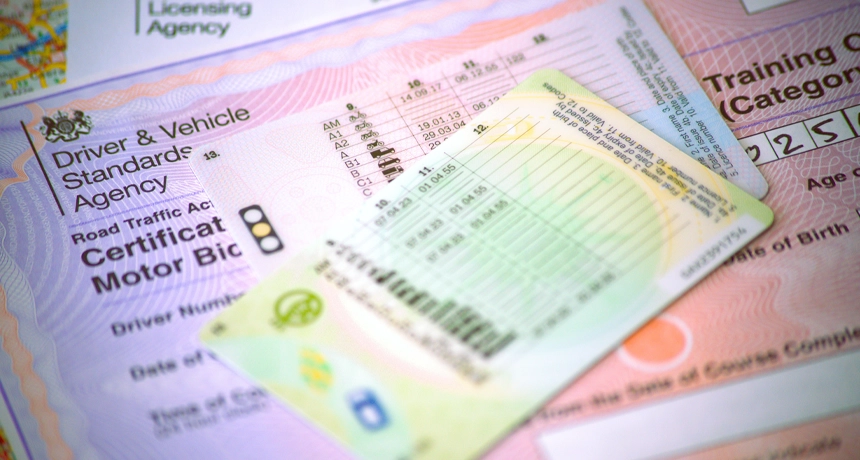
For some riders, a scooter can be cheaper than relying on trains, buses or taxis, especially if the same journey is made several times a week. The important thing is to compare the whole monthly cost, not just the CBT fee. Add up finance or purchase costs, insurance, fuel, maintenance and parking, then compare that with your usual public transport spend.
Scooter Costs Versus Car Ownership
A scooter or moped will usually cost less to buy, insure, fuel up and park than a car. That said, it will not suit every journey, every job or every household, so if your main aim is cheap commuting and short urban journeys, a scooter can make a lot of financial sense, but you still need to budget properly for legal riding.
Fuel Efficiency and Savings on Commuting
Small-capacity scooters and mopeds are often very fuel efficient, meaning regular commuter miles can cost less than they would in many cars. Although the savings will depend on your route, traffic, riding style, scooter type and fuel prices, lower running costs are one of the main reasons many people consider two wheels in the first place.
Long-Term Transport Savings
The licence and training cost is usually a one-off or occasional investment unless you’re riding on a CBT that’ll need to be renewed after a couple of years, but if a scooter helps you reduce taxi or bus use, avoid expensive parking, shorten your commute or access work more easily, the initial cost may be easier to justify.
From Licence to Earning | Delivery Rider ROI Calculator
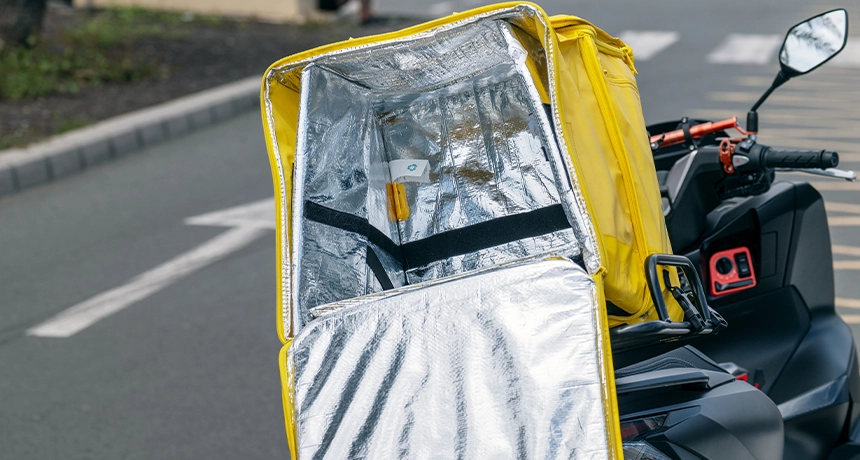
For riders who want to use a scooter or moped for delivery work, the question becomes slightly different because the licence cost can be viewed as part of a wider earning plan.
Instead of only asking what the licence costs, it is worth considering how quickly those costs could be recovered through paid work. Earnings vary by platform, location and hours worked, but Indeed lists UK delivery driver pay at around £154 per day or £2,222 per month.
For a simple planning figure, the table below uses an average variable estimate before fuel, insurance, tax, maintenance, and platform costs.
On Estimate: How Quickly Can a Rider Recover Their Licence Costs?
If a rider spends around £500 getting started with CBT, basic kit and security, the licence-related investment could potentially be recovered in a few weeks of part-time delivery work or around one to two weeks of full-time work, based on gross earnings estimates. However, this is only a rough example, and riders still need to allow for delivery insurance, fuel, maintenance, tax responsibilities, downtime and any platform-specific requirements.
Delivery Rider Opportunities
Delivery riding can appeal to new scooter riders because it can offer flexible hours and local work opportunities, although earnings vary heavily depending on the platform, location, time of day, order volume, rider availability and your own running costs.
Working Legally as a Delivery Rider
Before using a scooter or moped for delivery work, you need to make sure you have the correct licence entitlement, a valid CBT if riding on L plates, road tax, MOT where required, and insurance that covers the way you are using the vehicle. Standard social, domestic and pleasure cover is not usually enough for paid delivery work.
Delivery Rider Insurance Considerations
If you are being paid to deliver food, parcels or other goods, you need insurance that reflects that use. This may mean hire and reward cover, courier insurance or a delivery-specific policy depending on how you work, but mainly, it’s important to be upfront with your insurer, because using a scooter for delivery without the correct cover could leave you uninsured.
How Can You Reduce the Cost of Getting a Licence?
Comparing Motorcycle Training Schools
Since CBT and training prices vary, it is worth comparing a few local schools before booking rather than choosing purely on the lowest price. Check what is included, whether bike hire and protective equipment are covered, how retakes or extra sessions are charged, and what recent reviews say about the training.
Preparing for Your CBT
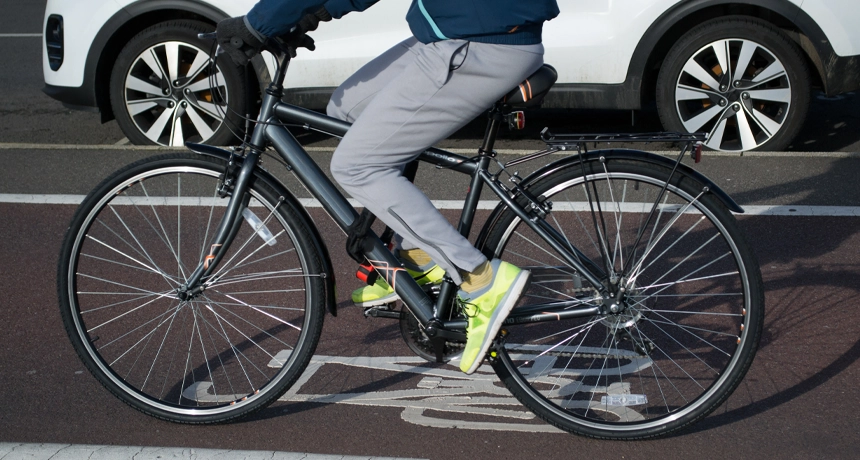
A bit of preparation can help you avoid paying for extra training, especially if you read the Highway Code, understand basic road signs, watch how experienced riders position themselves in traffic, and know whether you want to train on an automatic scooter or a geared motorcycle.
As I mentioned above, somewhat unbelievably, practising on a bicycle can actually help you prepare too by learning the balance, steering control, and spatial awareness required to ride a scooter or moped.
Choosing the Appropriate Equipment
You do not need every piece of premium riding kit on day one, but the equipment you do buy should be safe, legal and suitable for regular use. Start with a compliant helmet, gloves, jacket and footwear, then upgrade over time if your riding becomes more frequent.
Avoiding Unnecessary Costs
To avoid spending money twice, think about how you want to ride before booking training. For example, if you only want to ride an automatic scooter, you may not need geared motorcycle training at the start, while riders planning to progress to a full licence soon may benefit from asking a training school which route is most cost-effective.
Understanding Your Insurance Options
Insurance can change the overall cost of riding more than people expect, so it is worth looking beyond the price when comparing policies.
Alongside the level of cover, check the voluntary excess, security requirements, mileage limits and whether commuting is included, because the cheapest option may not be the best value if it does not reflect how you use the bike.
Understanding Insurance Usage Options
When choosing cover, be clear from the start about whether the scooter will be used for social riding, commuting, business use, courier work or hire and reward. If you plan to use it for paid delivery work, declaring that use before you start riding for pay helps make sure the policy matches the risk and keeps you properly covered.
Scooter & Moped Licence Costs | At-a-Glance Guide
Scooter & Moped Licence Costs FAQs
Can I Ride My Scooter After Passing My CBT
Yes, if you have the right provisional licence entitlement, valid insurance, tax, MOT where needed, L plates and a valid CBT certificate. Your age and the vehicle size also matter, so check the rules before riding.
How Long Is a CBT Valid For?
A CBT certificate is valid for 2 years, so if you do not pass a full moped or motorcycle test within that time, you will need to take CBT again to keep riding as a learner.
Do I Need to Do a Theory Test for a Scooter?
You do not need a theory test just to complete CBT and ride on L plates, but you will need a valid motorcycle theory test if you want to take the practical tests for a full moped or motorcycle licence.
Can I Become a Delivery Rider With a CBT?
Potentially, yes, but you must meet the licence, vehicle and insurance requirements. A CBT alone does not automatically mean you are covered for delivery work, and you will usually need the correct delivery or hire and reward insurance before using a scooter or moped to earn money.
What Insurance Do I Need After Passing My CBT?
You need at least the legal minimum level of motorcycle or scooter insurance before riding on the road, with the right policy depending on whether you use the scooter for social riding, commuting, business use or delivery work.
Is It Cheaper to Ride a Moped Than a Car?
In many cases, yes. Mopeds and small scooters are usually cheaper to fuel, park, maintain and insure than cars, although the exact savings depend on your age, postcode, vehicle, mileage, insurance, parking and how often you ride.
The Final Stop!
So, that just about wraps up our guide on how much it costs to get a scooter or moped licence in the UK. I hope it has been useful and now gives you a better idea of the financial side of two-wheeled freedom!
If you’re wondering about the insurance side of things and how much it’ll cost you, grab your moped and scooter insurance quote with Lexham today.
Thanks for reading, and good luck getting on two wheels!